Rhyme and Reason

When I was a little boy, my mother would often put her hands on her hips, sigh and say, “I just can’t make rhyme or reason out of this.” “This,” could mean, either her knitting project gone awry, my latest escapade of falling in the pond while catching frogs or the sorry state of my room. I remembered Mom’s saying recently when I stumbled upon this quote from Spurgeon.

“Articulate speech, which is denied to birds and beasts, is given to us for this major reason – that we may articulately and distinctly, praise and magnify the name of the Most High,” Charles Spurgeon

Now, Spurgeon was talking about our spoken words, but his thoughts also apply to our writing. If you write regularly, you probably could list a multitude of things that begin your inner avalanche of thoughts which landslide into a composition. I was challenged by Spurgeon’s thoughts about both the goal and form of our words. As writers, we often read tips on the “how’s” of writing. How to write dialogue, how to choose better adjectives, how to hook the reader at the beginning, and on and on. If we aren’t careful, we will soon become like a guide, who has learned how to survive in the wilderness, but has no idea of where he is going. The longest chapter in the Bible is Psalm 119, and I find it interesting how its writer pulls back the curtain on his motives for writing using the phrase, “I delight.” more than any other. Here are just four of them:

“I delight myself in your statutes…” Verse 16

“Your testimonies are my delight…” Verse 24

“And I will delight myself in Your commandments…” Verse 47

“…for Your law is my delight.” Verse 77

Just as Spurgeon challenged us to use words to magnify and praise God, the Psalmist shows us that he begins by delighting in the words that God has to say. Just as it was for the Psalmist, God’s statutes, testimonies, commandments, and law wait for us every day in the pages of the Bible. Unless I begin my day delighting in God’s words, then my own may be witty, or insightful, but they will only leave people dying of thirst in the wilderness. But when I have found my reason to write burst forth from delighting in God, then God delights in showing me the rhyme and reason of words that will lead others on the pathway to Him!
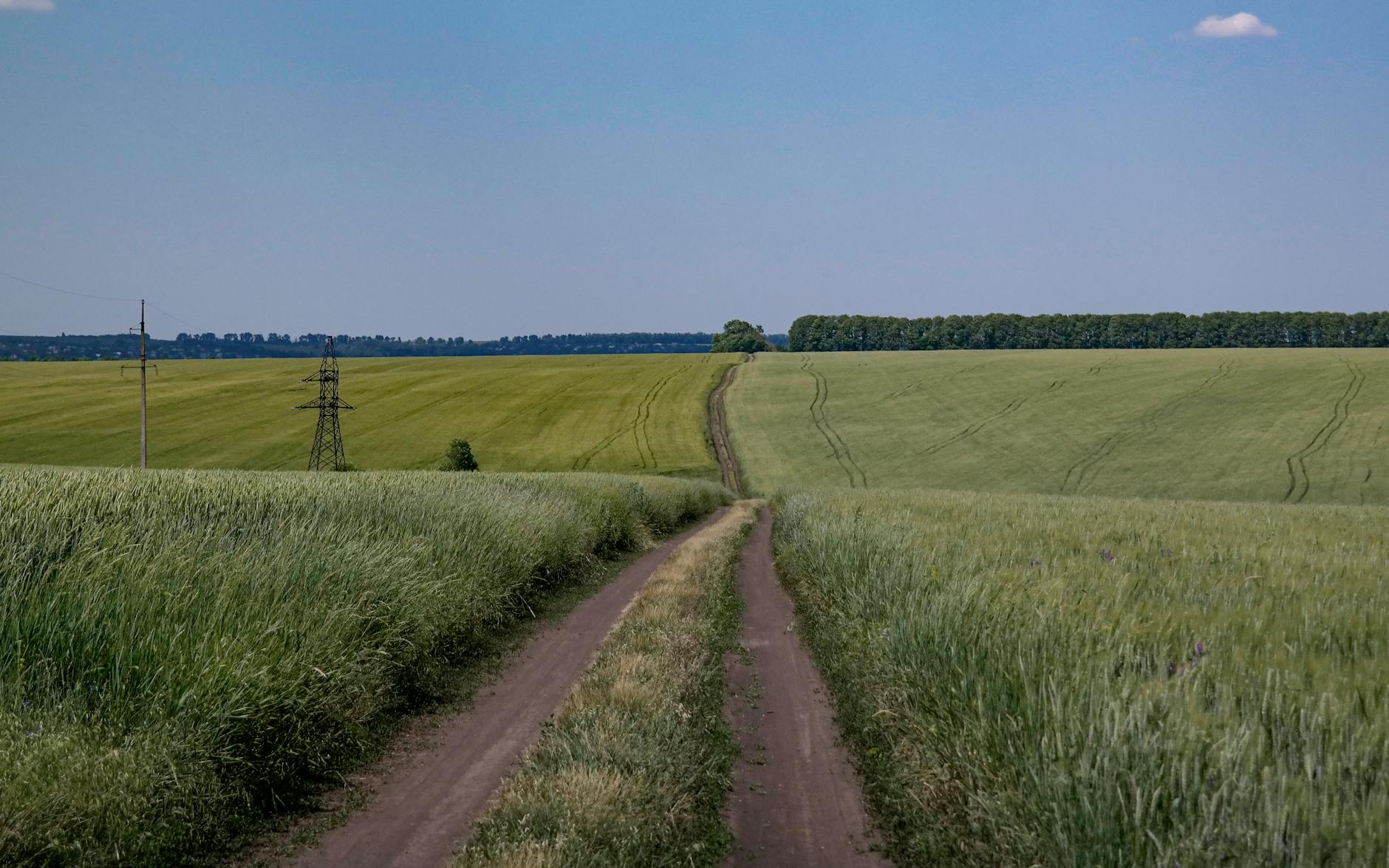
Photo by Kostiantyn Klymovets on Pexels.com

God Plants on Rainy Days

Though sunrise tarries in her bed
When nighttime lingers longer,
Our mockingbird still sings her song
With deeper notes and stronger

And though we fear to leave our dreams
She stirs us from our sleeping
To tell us God has good in store
And is His promise keeping

For while regrets and griefs may grow
In darkest dreary hours
God plants in us on rainy days
The brightest of His flowers!

God Plants on Rainy Days
By Peter Caligiuri
Copyright © 2026
All rights reserved


Surprise!

And the Lord God caused a deep sleep to fall on Adam, and he slept; and He took one of his ribs, and closed up the flesh in its place. Then the rib which the Lord God had taken from man He made into a woman, and He brought her to the man. Genesis 2:21-22 NKJV

Before this verse, there are two things we learned about Adam: He was made in God’s image, and it was not good for him to be alone. So, God decided on something different. After Adam grows sleepy after standing all day long naming the animals. He yawns and decides to lie down for a moment for a nap. God smiles, while he watches Adam snoozing, and He takes a rib, from Adam’s side, and creates Eve. She is perfect, glowing with beauty and eagerly waiting for God to wake up Adam. Then God shakes Adam by the shoulder and whispers: “Wake up son. I have a surprise for you!”

That same surprise that our amazing God designed for Adam, should be the spark that lights a fire in our poetry. Many of us string together predictable rhymes, comfortable topics, and hope that if we thrash about hard enough, that somehow something beautiful will be born. Somewhere, between our inspiration and hoped for publication, we forgot the wonder of surprise that started us on our journey in the first place.

Think of the endless parade of superhero films. Whether you are a fan of Spider Man or Wonder Woman, Hawk Eye, or the Hulk, we like these folks because in some surprising way, they have been transformed, and given a gift that will “Save the World.” In poetry it has been the same, from Shakespeare to Dr. Seus, the poems that have had the power to stir us, have been fearfully and wonderfully different. So this morning, be like Superman and Batman. Step into your phone booth and strip off the clothing of the same old same old, or descend into your bat cave, start up your own unique and powerful vehicle, and then come roaring out with a poem that shouts, “Surprise!,” and go save the world today!

Photo by Felipe Sodru00e9 on Pexels.com