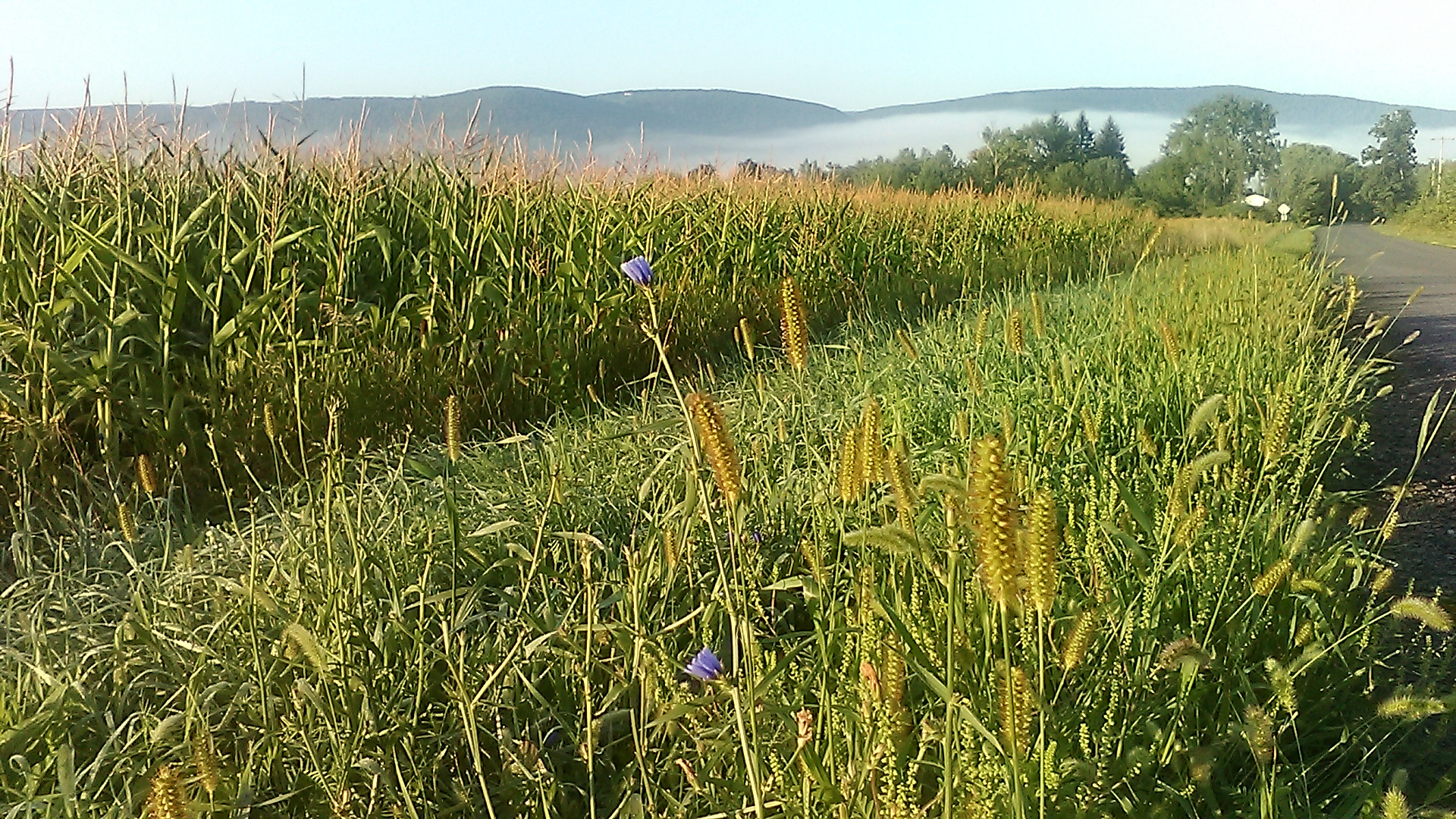
Spring Planting

Spring Planting – The Farmer

Then he told them many things in parables, saying: “A farmer went out to sow his seed. As he was scattering his seed, some fell along the path and the birds came and ate it up. Some fell on rocky places, where it did not have much soil. It sprang up quickly because the soil was shallow. But when the sun came up, the plants were scorched, and they withered because they had no root. Other seed fell among thorns which grew up and choked the plants. Still other seed fell on good soil, where it produced a crop – a hundred, sixty, or thirty times what was sown. Matthew 13:3-8 ESV

During the winter I used to scan through seed catalogues and plan for spring planting. Then on a blank sheet of paper I would draw the garden and decide where to put the cucumbers and squash and tomato plants. Jesus tells a story of a farmer who like me had decided what seed to plant, where to plant it and the exact day to put them in the soil. He left his house with a bag of the precious seed to begin his day’s work. As he started up the hard path some seed spilled out and as it bounced on the hard ground the birds began to follow him and gobble them up. Once he arrived, he tried to evenly spread the seeds in the furrows but even though the plowed field looked beautiful and clean, underneath the surface there were hidden rocks in some places and thorn and thistle seeds in others.

The same story happens every Sunday in our churches. We all hear the same sermon, but the message has different results depending on how we listen. But our problem is not with the farmer or the seed! The difference at harvest time comes from how our field has been prepared. Before we hear even one more sermon maybe our prayer should be, “Oh Lord prepare my heart!”

Plow up those Fields

Sow to yourselves in righteousness, reap in mercy; break up your fallow ground: for it is time to seek the Lord, till he come and rain righteousness upon you. Hosea 10:12 KJV

“Fallow comes from the old English word for plowing, and refers to the practice of leaving fields unplowed in rotation––when a field lies fallow, the soil regains nutrients that are sucked up by over-planting.”  Vocabulary.com

One temptation I face as I grow older is to abandon some of the fields in my life. There are some fields that have so long been unproductive that it scarcely seems worth the effort to continue to hope for any sort of fruitful harvest. But God has an entirely different idea. God says that today is the exact perfect time to stop moping around the house, get the plow out of the barn and break up my fallow ground.

Do you have some fallow fields in your life? There is nothing wrong with that but God has not created us to lie fallow forever. Maybe today your fallow time is coming to an end. Maybe it is time to hitch up the plow to the horse and get to work. There is still something that God has called for us to do. Do not be discouraged. Nothing will grow better crops than a field that has had time to rest for a while.  God has planned for and promised a harvest season ahead if only we plow up our fallow fields and then plant them today!

P1040013

Fallow Ground

Sow to yourselves in righteousness, reap in mercy; break up your fallow ground: for it is time to seek the Lord , till he come and rain righteousness upon you. Hosea 10:12 KJVFallow – a state in which a field is unplowed, unplanted and unused.That a field is left fallow in no way implies that it isn’t lovely or that it is useless. Fallowness is a state of rest during which the ground can regain its strength after years of crop bearing.But the same God who chooses our seasons to lie fallow also decides when it is time to plow again. We are most able to hear the plowman’s call when we rest in His timing and plan. He has not chosen us to decide the seed or the season of planting. We are called to abide quietly till the new crop must be put in. Then we can awaken with joy because the roughness of a plow dragging across our field means a harvest of mercy is dawning on God’s horizon!