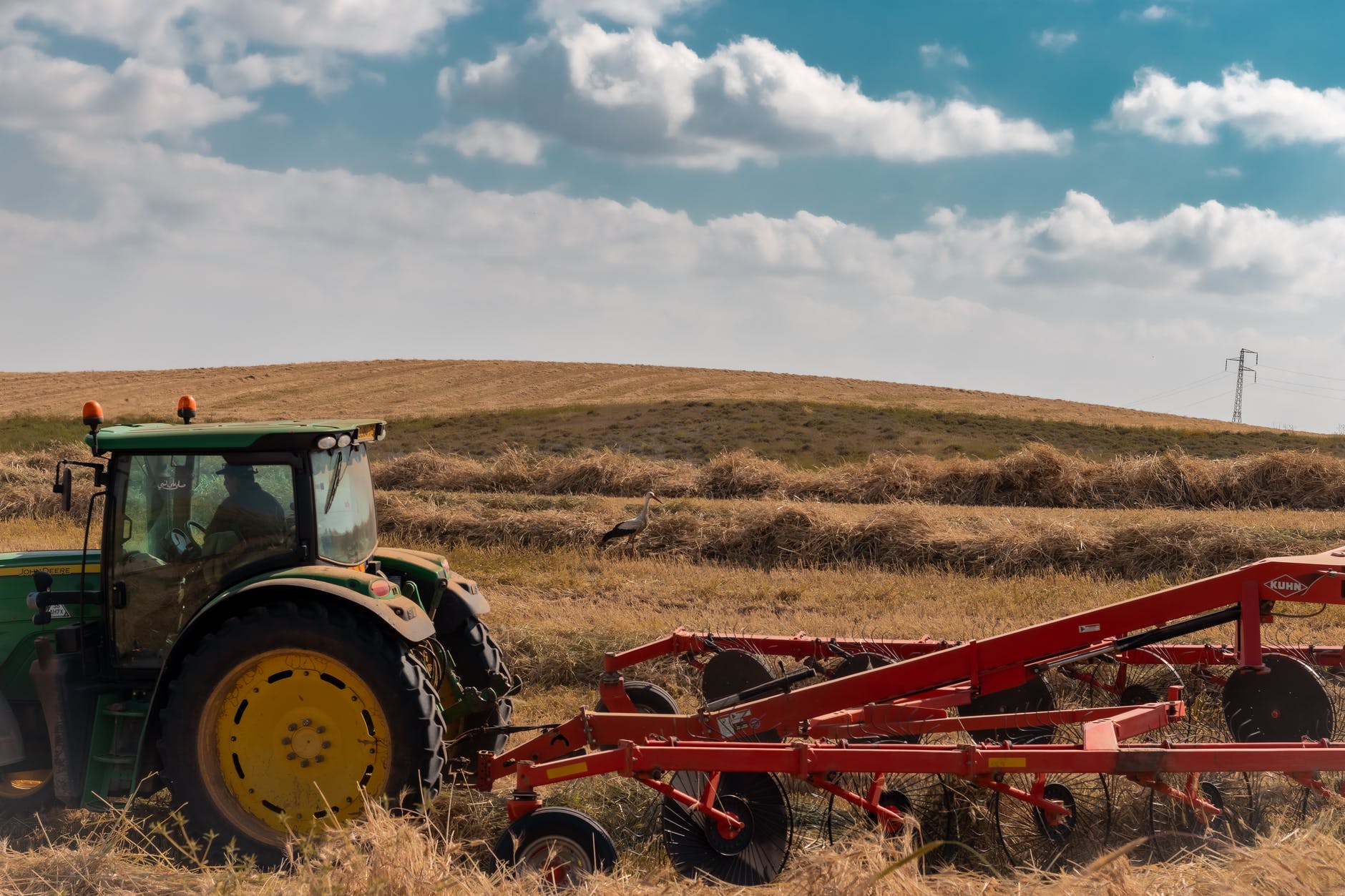
Winter Wheat

He answered and said to them: “He who sows the good seed is the Son of Man. The field is the world, the good seeds are the sons of the kingdom, but the tares are the sons of the wicked one. 
Matthew 13:37-38 NKJV

Did you know that around 70% of America’s wheat is planted in the fall and then spends the entire winter sitting around under drifts of snow? Boy, that reminds me a lot of how things are in our neighborhood. We invite folks to church, share our testimony of how God has worked in our lives and yet not much seems to come of it. It feels discouraging to keep planting in what feels like a frozen field. But then I came to today’s verses, and something clicked. Though I have loved, read and reread this passage, multiple times, I didn’t think it important, because it appeared as if Jesus was simply repeating the parable of the four soils from the beginning of the chapter. But when I looked closer, I discovered that this story is completely different. In the first, Jesus is the farmer who plants the seed of His words. In today’s verses, Jesus is a farmer planting people. Who were those people? Well, we can start with Matthew, Mark, John, Andrew, Peter and the rest of Jesus first disciples. They are the ones who received His word in good hearts. But Jesus didn’t just whisk them away to heaven. Instead, he planted them in the hostile and corrupt world that they lived in. Later an enemy (we know who that is!) planted other folks with different messages. Some preached conquest and war, others the lure of prosperity, sensuality or political power. From Mohammed to Joseph Smith, the list seems endless, the fields of the world look like a mess, and the harvest a total loss. But Jesus tells us that God is not worried. His wheat remains wheat even when planted in fields filled with tares. Our job as Christians is not to separate ourselves into spiritual ghettos, but to continue being the seed sown where God plants us and to keep planting His message even when the ground is frozen. Why? Because winter is the best time to plant! Good seed has power under the snowbanks of indifference, hostility and rejection, because soon it will be spring. Then when the rain falls and the sun warms the soil, some of that seed will grow in the hearts of those who today are dormant and sleeping. Our job is not to pull up the weeds, but to keep on planting and trusting God. He will gather His wheat into His barns. When Jesus comes, He will do the sorting out at harvesttime, and we and all those who love Him will be with Him forever!
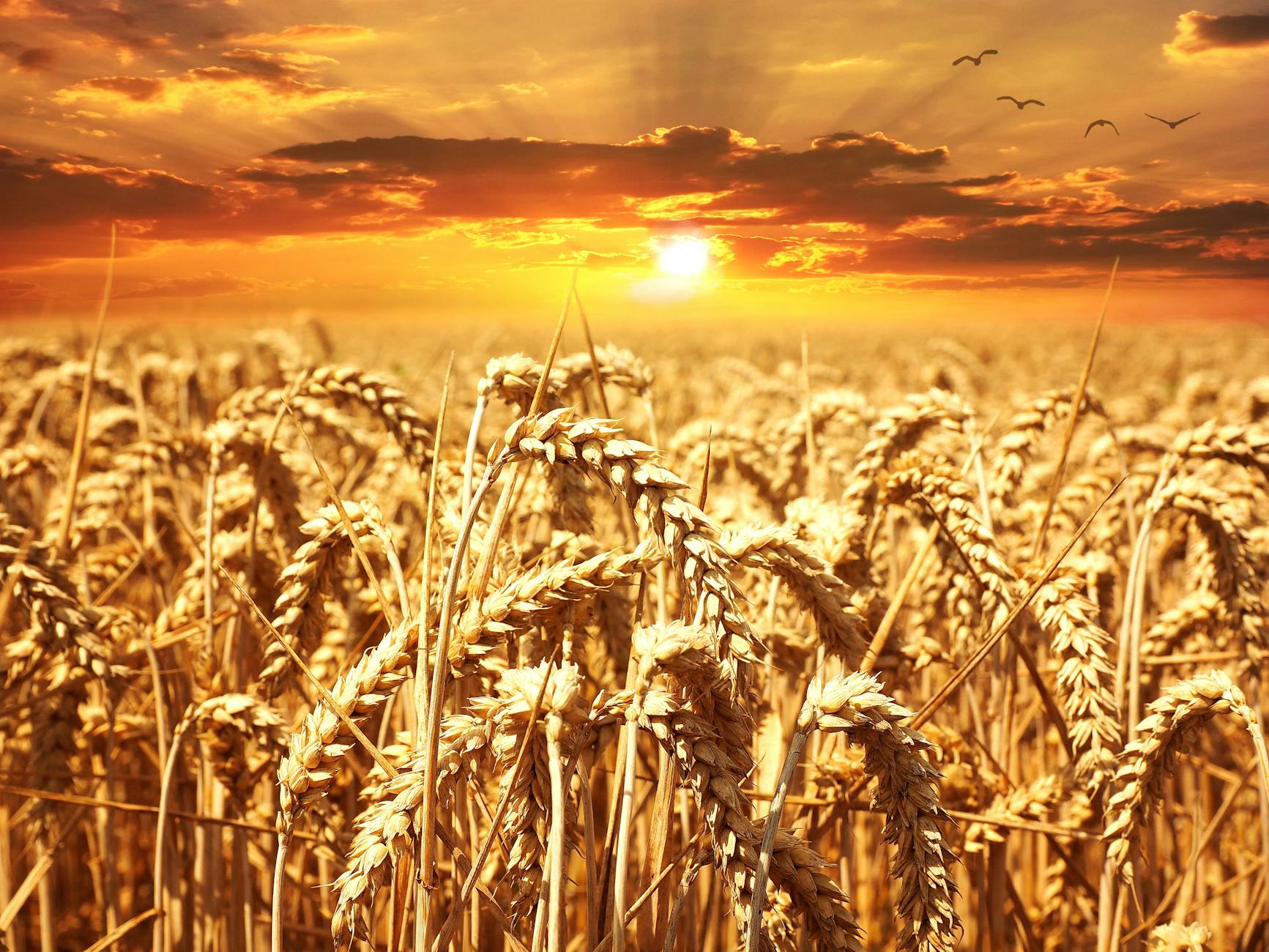
Photo by Pixabay on Pexels.com

Editing Advice from the Orchard – part 2 – Cut Out That Deadwood!

I am the true vine, and My Father is the vinedresser. Every branch in Me that does not bear fruit He takes away; and every branch that bears fruit He prunes, that it may bear more fruit. John 15:1-2 NKJV

Pruning is essential to our writing as well as our lives. Jesus tells us that the master pruner is our Father in Heaven and His pruning as well as our editing is a step-by-step process. In part one we talked about clearing out the sucker growth of overblown verbiage. Today, we come to our next group of compositional ne’er-do-wells called: dead branches. Since pruning in the orchard is done in Winter, first-time trimmers logically ask, “How can you tell which branches are dead, when there aren’t any leaves?” Finding out which are living requires getting close enough to take hold of them. Grabbing on to a live branch you will discover that it is flexible, while dead twigs snap off at the touch of our fingers. In the same way our dead branches in writing as well as our lives, are rigid and dry. When people get close enough to touch them, these dead phrases and dried up ideas make no living connections to our readers. They are like low-calorie deserts, that look scrumptious in the commercials, but artificial sweeteners in snack cakes and as well as sentences leave a bitter aftertaste, and no one will want to go back for a second helping!

Photo by Patricia Luquet on Pexels.com

In the orchard, deadwood removal looks brutal when the ground is littered with piles of branches. But cutting those limbs out is vital to the health of the trees. If they remain, they will crowd out the good branches and invite insects and disease to infect the trees. But once they are gone, there will be more space for the healthy branches, and even the tiniest healthy bud has a great advantage over the largest dead limb: it is still alive! Some dead limbs in our lives as well as our manuscripts are so large that a chain saw must be used to cut them out. If the trees in the orchard could talk, I am sure that they would complain loudly while I was removing their sucker growth and deadwood. But in April, the trees that have been pruned will fill with leaves, in May they will be covered with pink blossoms and if you come back in the Fall, you will find them heavy with delicious fruit!

Photo by Tom Swinnen on Pexels.com

Sowing Seed

 He who supplies seed to the sower and bread for food will supply and multiply your seed for sowing and increase the harvest of your righteousness. 2 Corinthians 9:10 ESV

When our cupboards all were empty
And my heart’s shelves were looking bare
I heard a voice speaking behind me
“Take your seed and plant it there

There in the desert place is flowing
A Living Stream so fresh and free
And in those parched forgotten places
God may choose to grow a tree

For though the ground is dry and hardened
The soil is rich and deep and fair
And if you plant the seed you’re given
You will reap the harvest there!


Sowing Seed
By Peter Caligiuri
Copyright © 2023 all rights reserved


Photo by Ofir Eliav on Pexels.com