 First, I thank my God through Jesus Christ for all of you, because your faith is being reported all over the world.
Romans 1:8 NIV
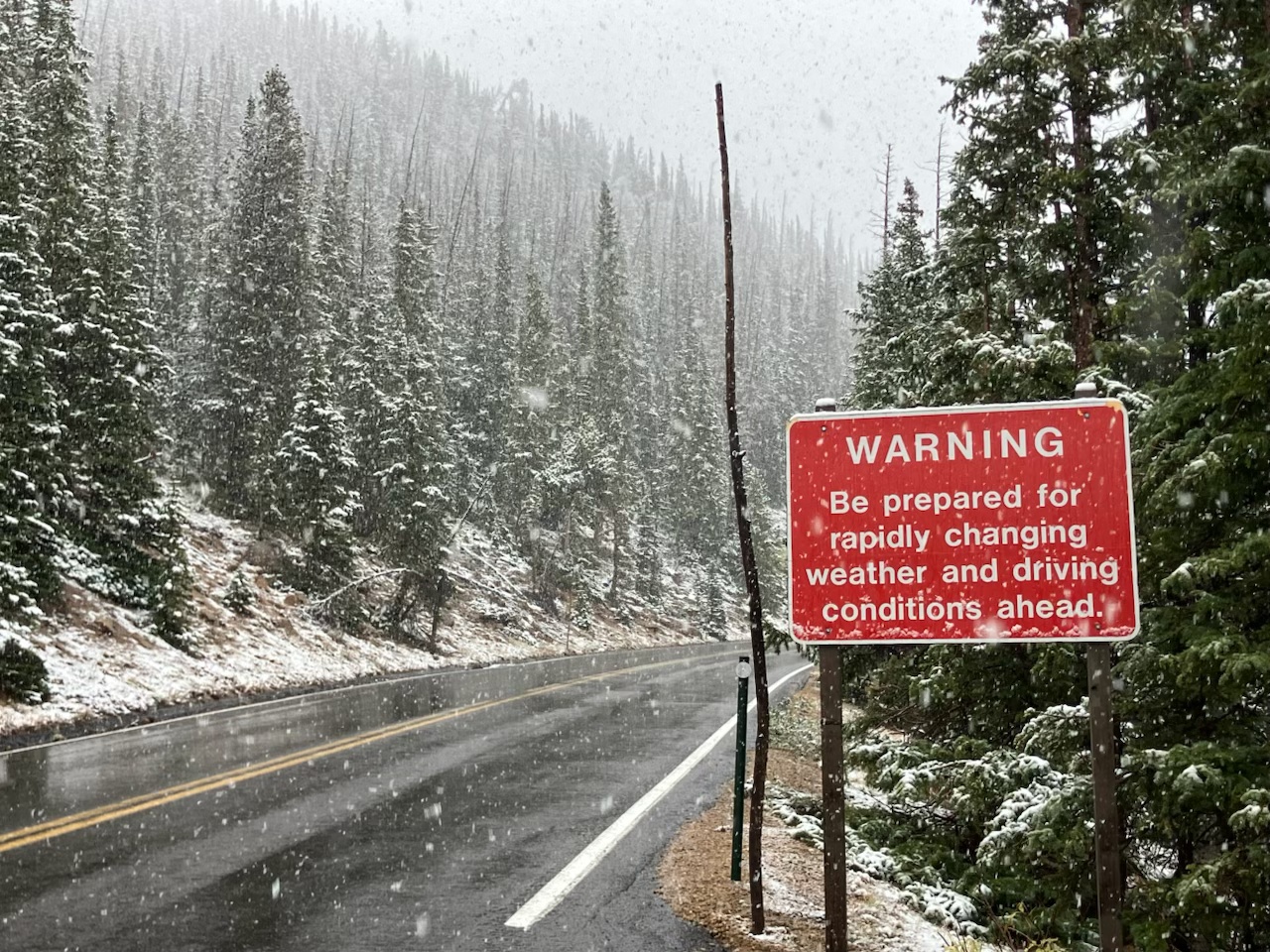
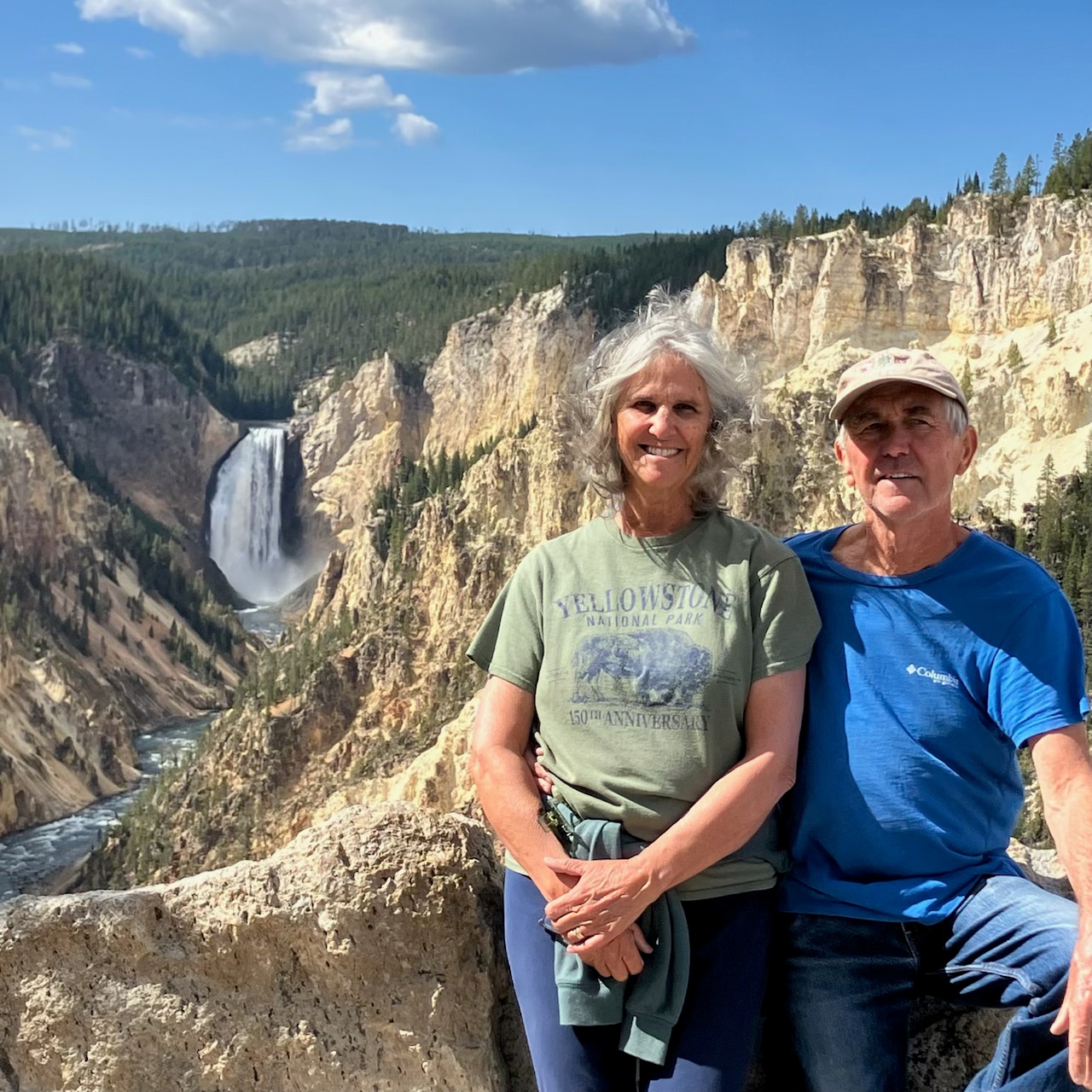
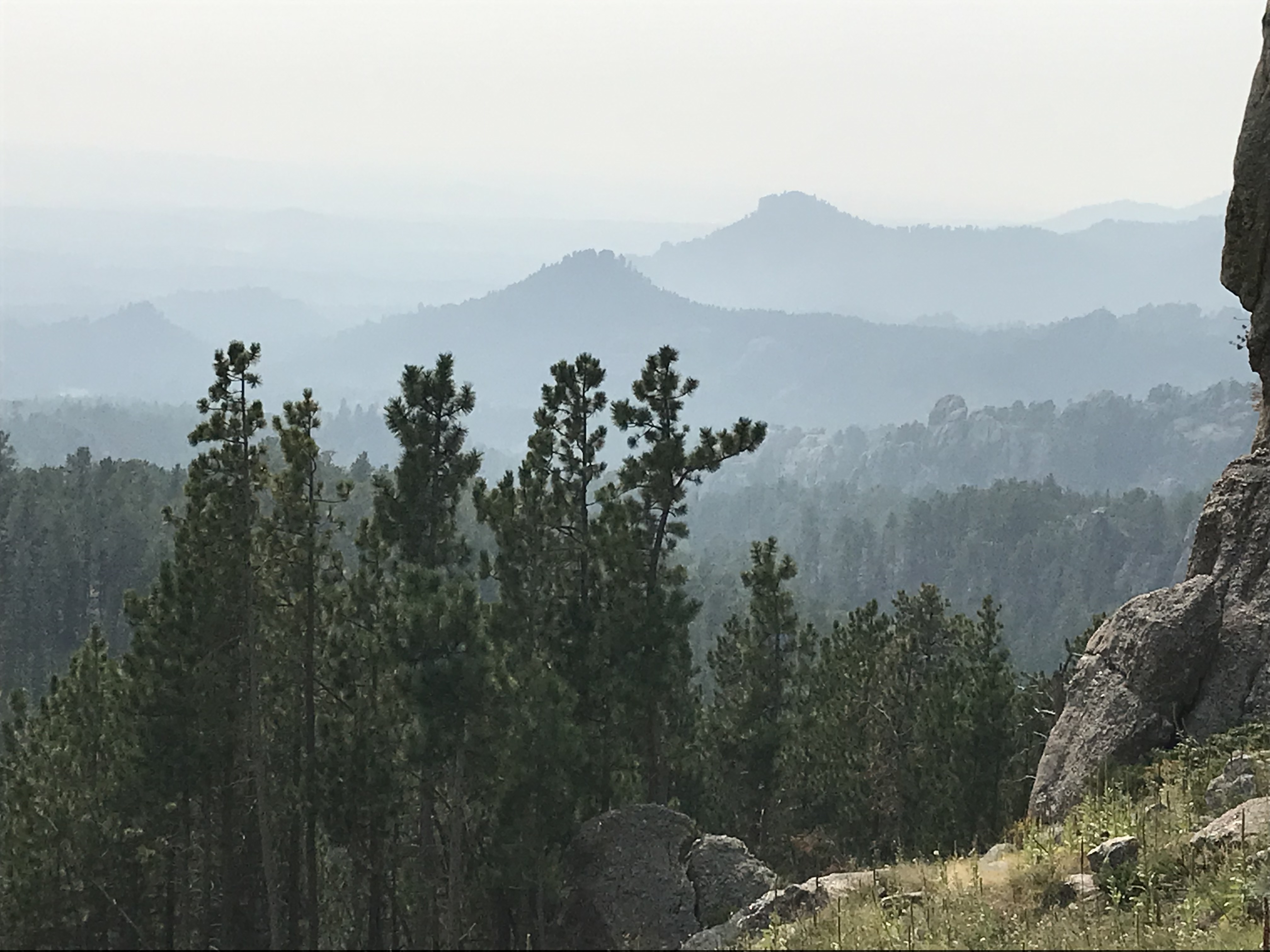
I love photography of, mountains, rivers and open prairies., but due to the aches and pains of advancing age I cannot get out into the wilds of nature these days. But we have been blessed by what the eyes of our friends have seen, in their many spectacular photos. Neither of them writes much, and their favorite reading is usually about the campsites at the next national park they plan to visit. But when they take shots from the ridge of a mountain range or zoom in on a wolf crossing their trail it generates a special artwork that communicates something more than any words. Today’s brief post is simply an expression of my gratitude for them generously sharing the special moments that they have experienced. I hope you will enjoy this montage of the last few years of their adventures.
But immediately, when Jesus perceived in His spirit that they reasoned thus within themselves, He said to them.
Mark 2:7b NKJV
“It’s the eye of the artist, Bobby” my friend’s 91-year-old grandmother replied to his protestations. “That window you installed just isn’t straight.”
“But grandmom, I checked it with the level,” Bob replied
“Check it again,” she answered with a smile. Bob sighed, set his level back on the windowsill, and was shocked to see that grandmom had been right!
How a writer sees things, or in Jesus’s case, how He perceived them, will govern what is written. My step-dad, who was a commercial artist used to tell me, “You can’t paint what you think you see, you have to paint what you really see.” Picasso’s famous painting “Guernica” was far from the realism. Instead he utilized a style that was called “Cubism.” Guernica was a small town that suffered a devastating bombing during the 1937 civil war. Though his painting misses the details that the wartime photographs revealed, it was a perfect representation of how Picasso saw its horrors.
Every writer, for better or worse puts pen to paper and paints what they see with words. While artists from da Vinci to Andy Warhol have plied their trade with red, orange, yellow, and the rest of the rainbow, writers put on paper the shades of infinitives, participles, and adverbs. Every good novelist had learned how to structure thrilling plots, write flowing dialogues, and paint vivid pictures of their characters, but those of us calling ourselves Christian writers have the added duty to do more than entertain. God calls us to see what He sees. He gives us the awesome responsibility to share what He sees, especially in seemingly hopeless situations. He asks us to level the window that the world is looking through and to notice glimmers of hope in dark places.
Just as when Jesus saw in His spirit the hearts of the Pharisees, He gave words of forgiveness for a paralyzed man, we can point to God’s grace in failure, refreshing for exhausted neighbors, laughter, and joyful stories in frustrating times. God calls us to paint more than we think we see, and even more than we truly see. He hands us a torch and asks us to shine His light on the paths of others to show the hope that He, the Master Artist, has helped us see today!
Then Jesus answered and said: “A certain man went down from Jerusalem to Jericho, and fell among thieves, who stripped him of his clothing, wounded him, and departed, leaving him half dead. Luke 10:30 NKJV
The parable of the Good Samaritan is a story that even non-believers know and love. There are Samaritan hospitals, charities and even a national Good Samaritan day! (March 13th). Who doesn’t want to rush in to save a helpless child, an abused widow, or an innocent bystander being robbed? But what we miss about the guy being rescued is that he was just an ordinary person, who Jesus calls a “certain man”. Maybe he cheated on his taxes, was unfaithful to his wife or wiped his nose in public. When Jesus says, “Love your neighbor as yourself.” Jesus isn’t saying, “Love your nice neighbor,” or “Love the sweet old lady next door who gives cookies to all the kids on the block.” Jesus is commanding us to love the pain-in-the-neck neighbor who doesn’t always pick up after his dog, doesn’t mow his grass and who plays loud music late at night. Yes, that neighbor!
And did Jesus tell us it would be nice and easy? Absolutely not! Loving your certain man neighbor is going to cost you something. It cost the Good Samaritan, two-day’s pay, a long walk to the inn and a half a bottle of wine and another of olive oil. It might have cost him his reputation among other Samaritans for stopping to help a Jew. Yes, being a good neighbor to that “certain man,” who God puts in our path today might cost us a lot. But when being a good Samaritan or a good neighbor seems unreasonable, expensive or even dangerous, just remember that it cost Jesus everything including His death on the cross for you and for me!










 praise2worshipdotnet
You must be logged in to post a comment.